
Right Printing Partner for Your HR Department
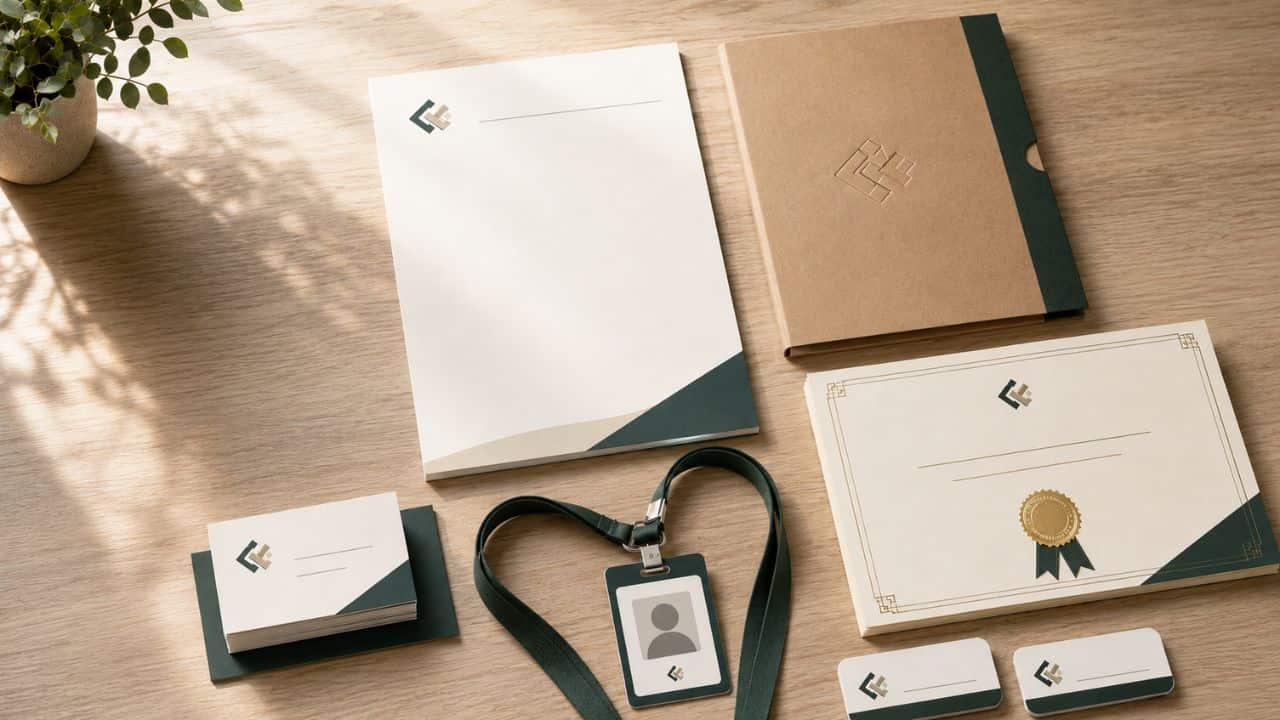
HR departments print more than most people realize. Offer letters, ID cards, joining kits, certificates, event banners, and internal notices all pass through HR at some point. When these jobs are spread across several vendors, small delays turn into real problems on joining day or during an event.
A dedicated printing partner for HR department needs removes that friction. One vendor learns your formats, timelines, and branding standards, so every order moves faster and looks consistent. This guide covers what HR teams regularly print, what to check before choosing a vendor, and why working with one printing partner, vendor, and supplier over the long term pays off.
Why Every HR Department Needs a Reliable Printing Partner
HR teams juggle recruitment, onboarding, engagement, and internal communication, often with a small team and a long list of deadlines. Printing is rarely the main job, but it touches almost every HR activity.
A reliable printing partner helps in several ways:
- Time savings. One point of contact for all printing needs means fewer emails, fewer calls, and fewer follow-ups.
- Consistency. The same vendor uses the same templates, colors, and paper stock every time, so materials always look like they belong to the same company.
- Easier procurement. One vendor means one billing process, one set of terms, and one relationship to manage instead of several.
- Better branding. A partner who understands your brand guidelines protects them across every printed item, from business cards to banners.
- Faster execution. Familiarity with your requirements means less back and forth on approvals and faster turnaround on repeat orders.
- Reduced vendor management. Less time spent evaluating quotes, chasing deliveries, and resolving quality issues across multiple suppliers.
For HR teams supporting a growing organization, this adds up to hours saved every month and fewer last-minute surprises.
Common Printing Requirements of HR Departments
HR printing needs are more varied than they first appear. Here is a look at the items HR teams typically manage:
| Printing Item | Typical Use | Frequency | Importance |
| Business Cards | New employee designations, department reissues | Ongoing | High |
| Letterheads | Offer letters, official communication | Ongoing | High |
| Employee ID Cards | Access control, identity verification | Per new hire | High |
| Joining Kits | Welcome materials for new employees | Per new hire batch | High |
| Employee Certificates | Training completion, service recognition | Periodic | Medium |
| Offer Letter Folders | Presenting offer documents professionally | Per new hire | Medium |
| Training Materials | Internal workshops, onboarding sessions | Periodic | Medium |
| Office Event Banners | Town halls, annual day, festivals | Seasonal | Medium |
| Roll-up Standees | Recruitment drives, campus visits | Seasonal | Medium |
| Name Badges | Employee identification, event visitors | Ongoing | Medium |
| Employee Appreciation Certificates | Recognition programs | Periodic | Medium |
| Internal Branding Materials | Office signage, wall displays | Occasional | Low |
| Notice Boards | Policy updates, internal announcements | Ongoing | Low |
| Desk Name Plates | New hires, department reshuffles | Per new hire/reshuffle | Low |
Key insight: Most of these items repeat throughout the year. A vendor who already has your templates on file can turn around a reorder in a fraction of the time a new vendor would need to start from scratch.
How a Dedicated Printing Vendor Simplifies HR Operations
Printing needs to shift constantly with the HR calendar. A dedicated vendor adapts to that rhythm instead of treating every order as a one-off request.
New employee onboarding. ID cards, joining kits, and welcome folders need to be ready before day one. A vendor familiar with your onboarding volume plans capacity around your hiring schedule instead of scrambling with each batch.
Employee exits. Exit documentation and final certificates still need consistent formatting, even when volumes are lower.
Promotions. Updated business cards and designation changes come up regularly in growing companies. A vendor with your card templates already on file can process these quickly.
Corporate events. Town halls, annual functions, and festive celebrations often need banners, standees, and badges on short notice. A partner who already understands your branding does not need a fresh briefing every time.
Internal training. Certificates and workbooks for training programs are easier to manage when the same supplier handles them consistently.
Recruitment drives. Campus visits and hiring events need standees and collateral produced quickly and accurately, often on tight timelines.
Handling all of this through one supplier means fewer handoffs and fewer chances for something to go wrong at a critical moment.
What HR Teams Should Look for in a Printing Supplier
Before choosing a printing partner, HR and administration teams should evaluate a few key factors.
Checklist for evaluating a printing supplier:
- Consistent print quality across paper, ink, and finishing
- Proven delivery reliability, especially around joining dates and events
- Ability to scale up during hiring surges or event season
- Realistic turnaround times, clearly communicated upfront
- A range of material options for different budgets and use cases
- Basic design support for formatting and layout adjustments
- Simple, centralized corporate billing
- Comfort handling both bulk orders and small repeat orders
- A system for managing reorders without repeating the brief each time
- Clear, responsive communication throughout the process
A supplier who checks most of these boxes is far more likely to become a dependable long-term partner than one who only competes on price.
Common Challenges HR Teams Face with Multiple Printing Vendors
Many HR and admin teams juggle separate vendors for ID cards, stationery, event materials, and certificates. Over time, this creates recurring friction:
- Inconsistent quality. Paper stock, print finish, and color accuracy vary from vendor to vendor, so materials do not feel like they come from the same company.
- Different branding standards. Without a single reference point, logos, fonts, and colors drift slightly across different printed items.
- Delayed deliveries. Coordinating timelines across multiple vendors increases the chance that something arrives late, especially before a joining date or event.
- Multiple invoices. Reconciling several vendor bills each month adds unnecessary administrative work.
- Vendor follow-ups. Every vendor needs separate check-ins, which eats into time that could go toward core HR work.
- Coordination overhead. Briefing multiple vendors on the same brand guidelines repeatedly wastes effort that a single relationship would avoid.
- Reprinting errors. Miscommunication between HR and an unfamiliar vendor often leads to avoidable reprints.
- Last-minute emergencies. When an event or joining date moves up, a vendor without existing context takes longer to respond than one who already knows your requirements.
These are the exact frustrations that push many HR and office administration teams to consolidate their printing needs with a single, trusted supplier.
Benefits of Working with One Long-Term Printing Partner
Consolidating printing with one supplier changes the relationship from transactional to strategic.
- Brand consistency. One vendor, one set of files, one consistent look across every printed material.
- Better pricing over time. Volume and repeat business typically lead to more favorable terms.
- Faster repeat orders. Templates and specifications are already on file, so reorders move quickly.
- Familiarity with templates. No need to re-explain formatting or design preferences every time.
- Less administrative work. One invoice, one point of contact, one relationship to manage.
- Higher reliability. A vendor invested in a long-term relationship has more reason to prioritize your deadlines.
- Improved employee experience. Consistent, professional materials at every touchpoint, from the offer letter to the ID card, reflect well on the company.
How Tulja Enterprise Supports HR Departments
Tulja Enterprise works with HR and administration teams as a printing partner, vendor, and supplier for recurring corporate printing needs. Based in Vadodara, Gujarat, the company supports businesses across sectors with practical, dependable printing support rather than one-off transactions.
For HR teams, this typically includes:
- Business cards and letterheads for new hires and designation changes
- Employee ID cards for onboarding
- Certificates for training and employee recognition programs
- Joining kits and offer letter folders
- Office branding and event materials, including banners and standees
- Corporate stationery for daily communication
- Bulk printing for large hiring batches or annual events
The focus stays on consistent quality, realistic turnaround times, and clear communication, so HR teams can plan around predictable timelines instead of managing surprises. Once templates and specifications are on file, reorders move faster with each cycle. For HR departments looking to reduce vendor management overhead while keeping employee-facing materials consistent, this kind of ongoing partnership is built around solving problems that come up repeatedly.
Conclusion
Printing is a small part of HR’s job, but it touches nearly every stage of the employee lifecycle, from the offer letter to the exit certificate. Managing this across multiple vendors adds coordination effort, inconsistent branding, and avoidable delays.
A dedicated printing partner removes that friction. Consistent quality, faster reorders, and one relationship to manage free up time for the work that actually needs HR’s attention.
Tulja Enterprise, based in Vadodara, works with HR departments as a reliable printing partner, vendor, and supplier for recurring corporate printing needs, from onboarding materials to office branding and event collateral. For HR teams looking to simplify vendor management while keeping employee-facing materials consistent, that kind of long-term partnership is worth building.


